
Student & Community

Bridging the Gap: From Summer Camp to School Success

By Heather Houmis / September 7, 2026
Students sitting on couch studying

★ Quick Take / Executive Summary

Study & Scribe summer camp helped students build organizational, planning, and time management skills. Activities focused on journaling, hands-on problem solving, and executive functioning strategies for the new school year.

Heather Houmis, College Solutions’ certified Executive Function coach, helps students build the organizational, planning, and time management skills they need to thrive both in school and beyond.

In this installment of her “Bridging the Gap” series, Heather reflects on College Solutions’ Study & Scribe summer camp and the hands-on strategies students used to strengthen executive functioning, problem-solving, self-advocacy, and writing skills.

A Morning Routine That Sets the Tone

It is hard to believe that summer is coming to an end. It's time to sharpen the pencils, pack our backpacks, and set our alarm clocks. It also means that we just wrapped up our annual summer camp known as Study & Scribe. After a hands-on week focused on problem-solving, self-advocacy, writing, and executive functioning, our students—and their coaches—were ready to take on the new school year.

As a child, some of my fondest memories were writing in my journal. Most of them began with those two famous words “Dear Diary”. Journaling was our first activity every morning. This placed a great level of importance on that time. Journaling set the tone for the day.

Students would arrive to calm music, take a few moments to settle in, connect with classmates through warm greetings, and then begin writing. Each day, we post a journal topic, but students are also free to write about something of their own choosing. Students need to have choices when writing. It is one of the ways they learn to discover their own personal love of writing.

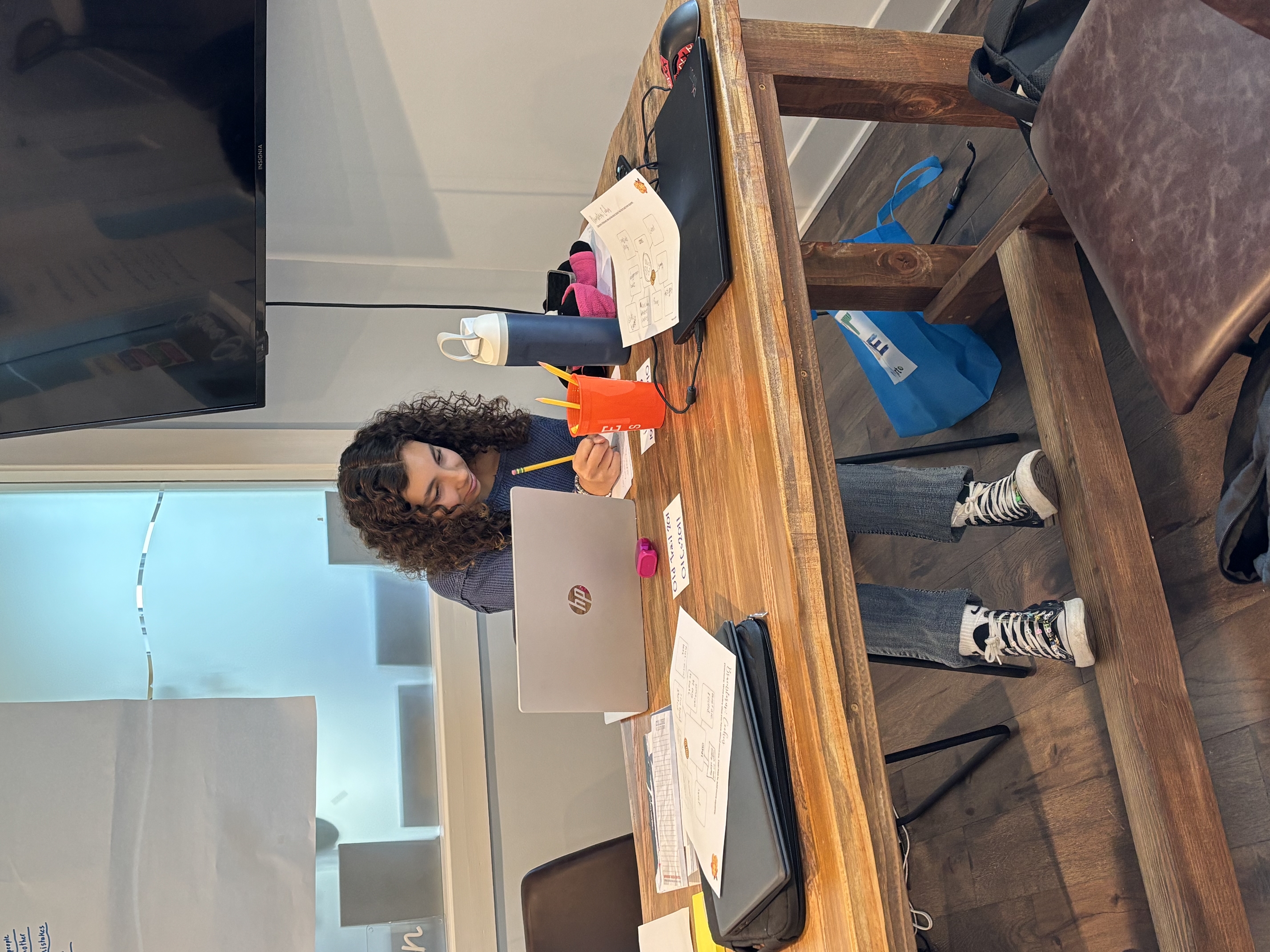
Study & Scribe camp morning routine

Making Space for the Writing Process

Starting the morning with freewriting and journaling allows students to “ease into” our more formal writing sessions.

Working through the writing process during camp helps students to see each step of the process in a more slowed down version where they can take time with each step and get their project exactly where they want it to be without the constraints of a classroom schedule.

Throughout the week, we learn new skills, conference together, revise and polish our work, ending with a piece of writing that reflects who we are as writers.

Writing process and freewriting

Learning by Doing

When I think about summer camp, my mind does not wander to a classroom with students sitting in desks placed in nice, neat rows. This camp is problem solving, engaging activities that involve working together and most definitely for thinking outside the box.

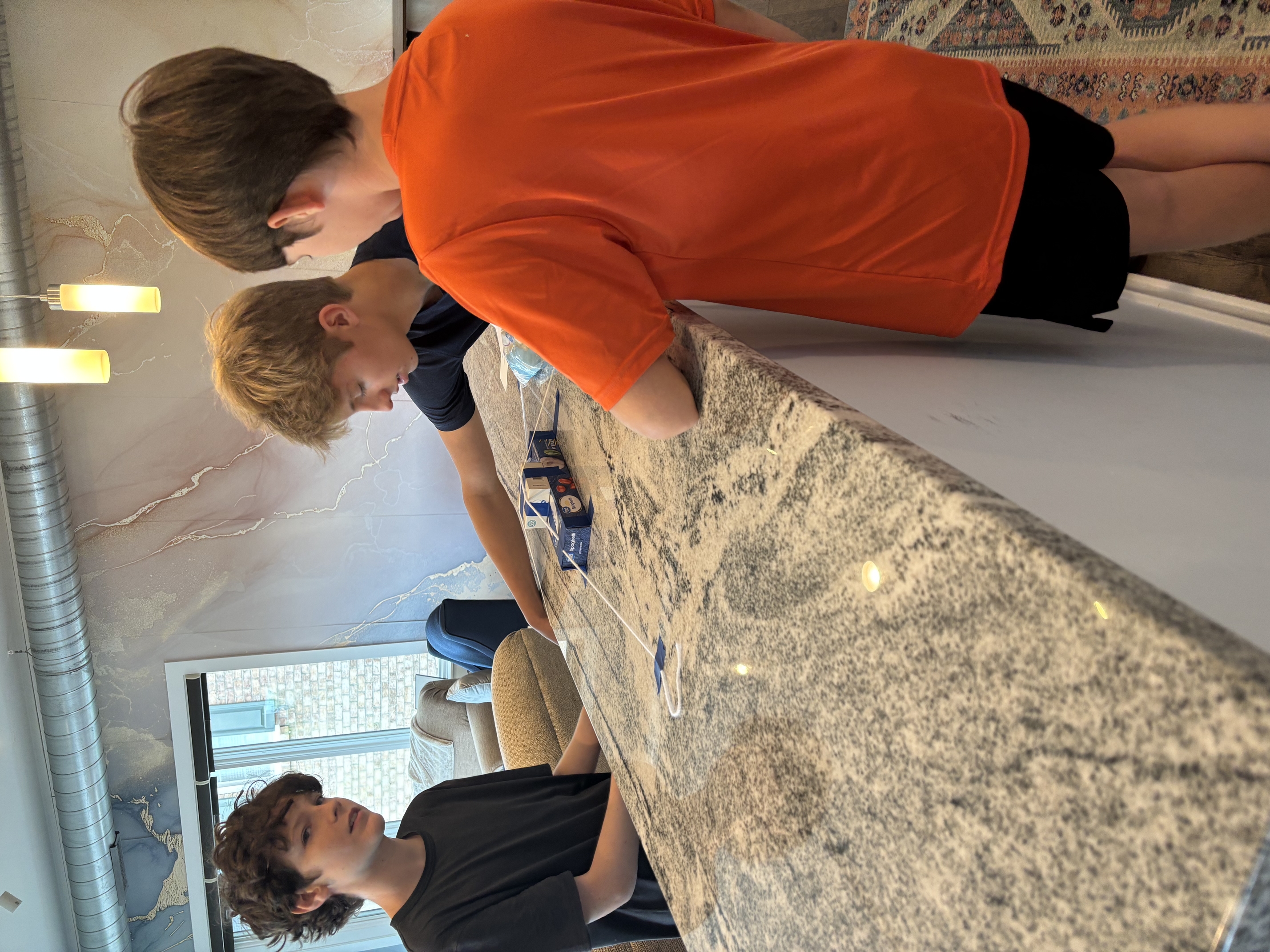
Our campers became architects who discovered that building a two-story tower with marshmallows, a box of spaghetti, tape, toothpicks, and string could lead to two completely different—and equally successful—approaches.

Problem-solving activities

Putting Executive Function Skills to the Test

The campers tried being executive functioning (EF) detectives and had to find clues to determine where a student’s school system was breaking down and then create strategies to put into place to help this student all while maintaining a positive approach.

As professional organizers, they built the perfect backpack with color coded systems and folders—all ready for a successful school year. We explored practical EF skills—from breaking big tasks into manageable steps and organizing our workspaces to handling moments of overwhelm, emailing teachers, and staying flexible when things don’t go as planned.

So, what did it all add up to? We learned practical ways to navigate stress, organize our time and materials, study more effectively, strengthen our writing, communicate with confidence, stay flexible, and create schedules that work.

Bridging the Gap to the School Year

As our students head back for the new school year, the goal remains the same.

We hope that these strategies can help bridge the gap between knowing what to do and feeling confident enough to take the next step.

Ready? We are.

Whether you’ve got questions about our packages and add-ons, what sets College Solutions apart, or you’re ready to get to work with our admissions experts to help your student navigate their journey to the perfect college fit, schedule a free consultation so we can get to know your family.